
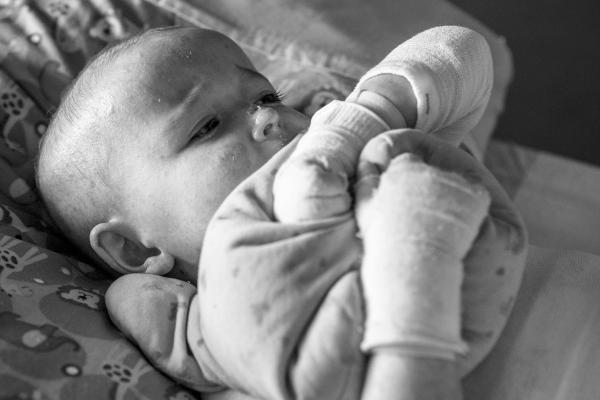
Epidermolysis Bullosa Infection

Skin infections are a common complication of EB, even with the most careful wound care.

Most people with EB will have a skin infection at some point. Factors beyond your control can contribute, and topical antibiotics aren’t always enough. Knowing the signs helps you get the right treatment quickly.
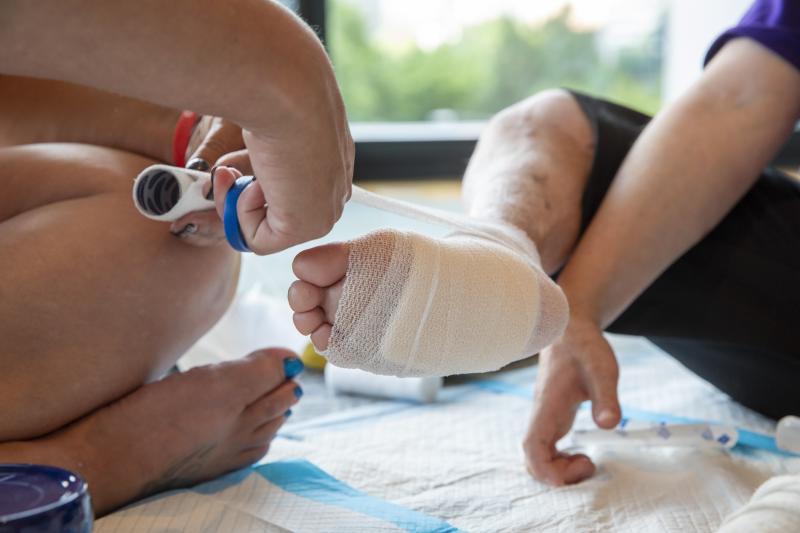
Watch for these key signs that a wound or blister may be infected. 

In the wound or blister

  • Redness that increases or spreads
  • Swelling
  • Warmth to the touch
  • Pain
  • Yellow or green, foul-smelling drainage or pus
  • A cloudy appearance in the wound or blister
  • A wound that stays open or is slow to heal

In the whole body

  • Fever
  • Unusual tiredness

If you think a wound is infected, contact your doctor right away.

A physician should examine the wound and take a culture. This confirms whether there’s an infection and shows which antibiotics will work best against it.

It’s important to treat a skin infection quickly and appropriately, because it can spread into the bloodstream and cause more serious complications. Depending on the infection, treatment may include topical antibiotics, oral antibiotics, or a hospital stay for IV antibiotics.

Questions about wound care?

Our EB Nurse Educator can answer questions about wound care and preventing infection. It’s free and confidential. For urgent concerns, always contact your doctor.

All medical information from debra of America is for informational purposes only and isn’t a substitute for care from a qualified physician. Please discuss all care plans with your doctor, and check with them before starting any medication or treatment.