
Kindler EB
Epidermolysis Bullosa Kindler (Kindler EB) is a complex form of EB characterized by a unique combination of skin blistering, skin atrophy, photosensitivity, and other complications.
First described in 1954, EB Kindler is estimated to affect only about 250 individuals worldwide, making it one of the rarest types of EB. It is more frequently observed in isolated or consanguineous populations. Navigate to a specific section by clicking the links below:
Signs and Symptoms
Kindler EB presents a wide range of symptoms that can significantly affect quality of life. Blistering and skin fragility are present from birth, with additional symptoms emerging during childhood or adolescence. Hallmark features of Kindler EB include:
- Skin Blistering: Blistering begins at birth and is most commonly found on the extremities. The tendency for blistering decreases with age but remains a significant aspect of the condition.
- Skin Atrophy and Poikiloderma: Skin thinning and the development of discoloration or mottled skin (poikiloderma) often begin on the dorsal aspects of the hands and neck in early childhood, gradually extending to the entire skin surface as the individual grows.
- Palmoplantar Keratoderma: Thickening of the skin on the palms and soles of the feet occurs, sometimes leading to difficulty with mobility.
- Photosensitivity: Individuals often experience heightened sensitivity to sunlight. The severity of this photosensitivity can vary from mild to severe.
- Oral and Gastrointestinal Issues: Many individuals develop gingivitis, leading to tooth loss, and gingival hyperplasia. Additionally, there can be esophageal strictures, colitis, and, in some cases, urogenital strictures that cause significant discomfort and medical challenges.
- Ectropion and Corneal Erosions: Ectropion (outward turning of the eyelids) and corneal erosions (damage to the surface of the eye) are common.
- Nail Dystrophy: Nail abnormalities, such as thinning, ridges, or complete loss of nails, are frequent.
- Squamous Cell Carcinoma (SCC): A significant concern for individuals with Kindler is the development of SCC in young adulthood, commonly affecting the extremities, lips, or oral cavity. This condition tends to have a severe course and is often a cause of premature death in affected individuals.
Causes & Inheritance
EB Kindler is a genetic disorder caused by mutations in the FERMT1 gene, which provides instructions for producing a protein called kindlin-1, crucial for the structural integrity of the skin. When this gene is mutated, it results in weakened skin, leading to the characteristic blistering and skin damage seen in Kindler.
This condition follows an autosomal recessive inheritance pattern, meaning that both copies of the gene (one from each parent) must be mutated for the condition to be expressed.
Impact on Daily Life
Living with EB Kindler can significantly impact daily activities due to the combination of blistering, photosensitivity, and skin fragility. Many individuals require protective clothing or physical adaptations to minimize friction and prevent blister formation. As children grow older, skin atrophy and the development of keratoderma on the palms and soles can limit mobility, and photosensitivity can make outdoor activities difficult or painful.
Other medical issues, such as oral and gastrointestinal complications, can also make daily tasks challenging. Regular check-ups for aggressive skin cancer is required.
Treatment and Care
Medical management of EB Kindler is largely supportive, focusing on wound care, pain management, and minimizing friction or trauma to the skin. Learn more about EB care strategies and practical information on our How To: EB Care Section.
Healthcare professionals can also refer to our Emergency Management page for clinical guidance in urgent situations.
Emerging Treatments and Clinical Trials
Research and clinical trials play a critical role in advancing our understanding of EBS and developing new treatments. While there are currently no FDA-approved treatments specifically for EB Kindler, ongoing research is actively exploring promising therapies. Participating in a clinical trial may offer access to investigational therapies and contribute to future medical breakthroughs.
Clinical trials currently recruiting participants include:
Community and Support
 Bowen Kim
"My EB is mostly localized on my feet so I was unable to show my teachers what EB looked like & how severe it could be. They were not able to relate to the pain..."
Bowen's Story Hunter
"I was diagnosed with Epidermolysis Bullosa Pruriginosa, a rare subtype of DEB. Having a rare form of EB gave me a lot of challenges growing up."
Hunter's Story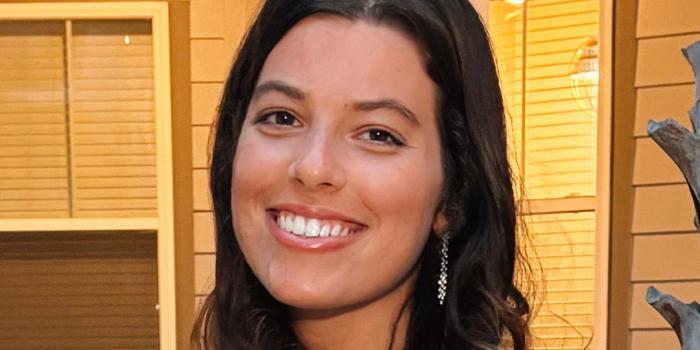 Taylor
"Growing up, living with EB Simplex was hard. All my friends would be hanging out in the summer sun, walking miles, and I had to sit back and watch."
Taylor's StorySupport Resources
No one should face Kindler EB alone. debra of America offers free programs, personalized support, and trusted online resources to help individuals and families navigate life with EB.
Whether it’s finding answers to everyday challenges, accessing free wound care supplies, or connecting with others who understand—debra is here, every step of the way.
Visit our Get Help section to explore our free supportive programs, and check out our How To section for trusted, practical care guides.
Credit: C. Has et al, “Consensus reclassification of inherited epidermolysis bullosa and other disorders with skin fragility”, British Journal of Dermatology, October 2020