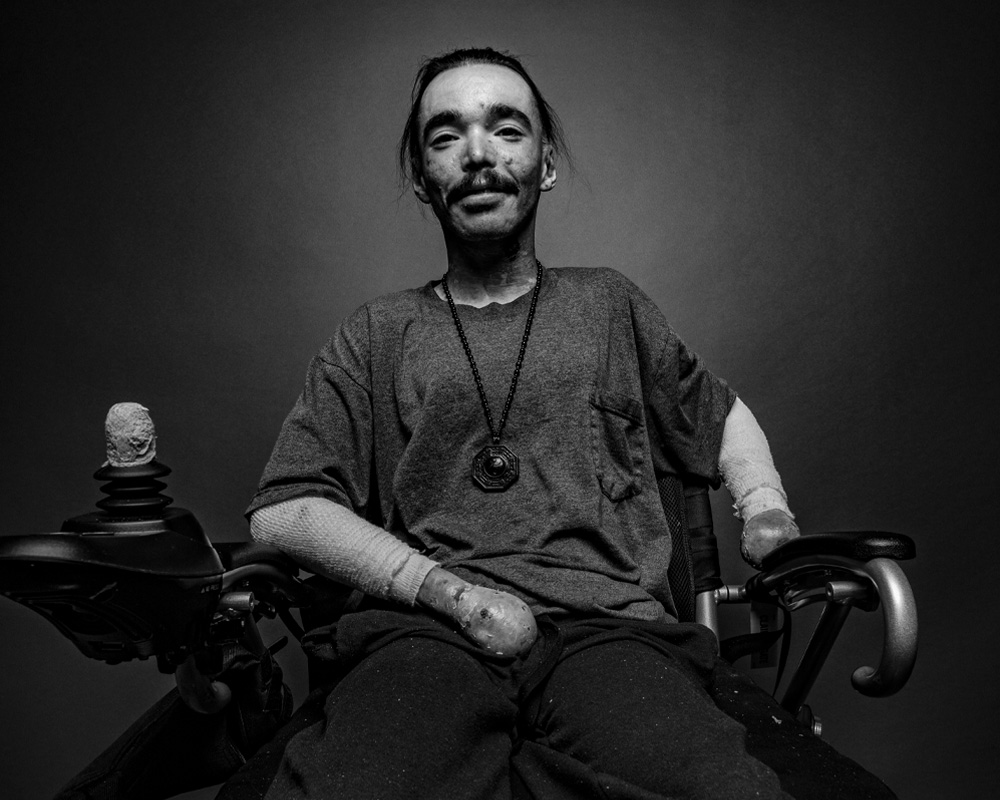
Living with DEB means navigating a condition that affects nearly every aspect of daily life. Frequent bandage changes, wound care, and constant vigilance are required to manage chronic skin fragility—blisters can form from minor friction or trauma, everyday tasks, or even spontaneously. Simple movements, like reaching or walking, can lead to blistering and skin tears, while painful joint contractures and scarring may limit mobility and require wheelchairs or other adaptive tools.
Everyday routines must be carefully adapted, and tasks others take for granted—like eating, dressing, or attending school—can take extra time, energy, and planning. Oral and esophageal involvement may make eating difficult or painful, sometimes requiring modified diets or feeding tubes to ensure proper nutrition.
Managing DEB often involves substantial adjustments at school, work, and home, as well as emotional resilience in the face of daily pain and limitations. Ongoing monitoring for complications—such as skin infections, internal organ issues, and aggressive squamous cell carcinoma (SCC)—is essential. Despite these challenges, many individuals find strength in community support, specialized care, and medical advancements that improve comfort and extend quality of life.
In the past three years, three FDA-approved treatments have been approved, most recently in April 2025, marking a historic turning point in DEB care and offering new hope for improved healing, reduced symptoms, and better long-term outcomes. The impact of DEB can vary widely depending on severity and presentation, with each person’s experience with EB being unique. Continue to explore our website for more detailed information on care and resources, and visit EBConnect.org, our online community platform, for valuable guidance and peer support.