
"I am 64 years old and have lived my entire life with EB Simplex (EBS). I mainly blister on my feet and hands...It's always a balance in life. Most people I know don't think twice about walking, but I often have to."
Woody, Living with EB Simplex

Epidermolysis Bullosa Simplex (EBS) is the most common form of EB, defined by recurring blistering in the upper layer of the skin—specifically within the basal layer of the epidermis.
Symptoms often begin at birth or early infancy and may become more prominent with activity such as kicking or crawling. EBS is a lifelong condition that can range from localized blistering on the hands and feet to more widespread involvement, potentially affecting other organs and impairing mobility. Everyday friction, heat and humidity are common triggers. Navigate to a specific section by clicking the links below:
"I am 64 years old and have lived my entire life with EB Simplex (EBS). I mainly blister on my feet and hands...It's always a balance in life. Most people I know don't think twice about walking, but I often have to."
Woody, Living with EB Simplex

Epidermolysis Bullosa Simplex (EBS) is characterized by blistering of the skin, which occurs when the skin is subjected to friction, rubbing, or minor trauma. The severity of symptoms can vary widely between individuals, even within the same subtype. Hallmark signs and symptoms of EBS include:
Localized EBS (previously known as Weber-Cockayne) is the most common and mildest form of Epidermolysis Bullosa Simplex. Blistering usually begins at birth or in early infancy, affecting specific areas like the hands and feet - especially after physical activity, heat, humidity, or sweating.
The blistering occurs in the upper layer of the skin (intra-epidermal) and heals without scarring, though darkened areas (hyperpigmentation) may appear after healing. Over time, especially by adolescence, blistering may become less frequent and more localized.
Most often seen on hands and feet, especially after friction or heat.
Small white cysts that can appear in the first weeks of life.
Thickened, hardened skin on the soles of the feet that can become painful and limit mobility.
Toenails or fingernails may become unusually thick or misshapen.
Large, dark, irregular birthmark-like patches that may form where blisters have repeatedly healed. These are benign but may resemble melanoma.
Intermediate EBS (previously known as EBS generalized-intermediate or EBS Koebner) presents similarly to localized EBS but is characterized by more widespread blistering compared to the localized subtype. Skin usually heals without scarring, though darkened areas (hyperpigmentation) may appear after healing.
Blisters typically begin in infancy and may lessen with age, sometimes becoming more limited to the hands and feet during adolescence.
Unlike localized EBS, blistering is not limited to hands and feet and can appear anywhere on the body.
Thickening of the soles of the feet can develop gradually, become painful, limit mobility, and impact quality of life.
Tiny white bumps (milia) often appear within the first few weeks of life.
Large, dark, irregular birthmark-like patches that may form where blisters have repeatedly healed. These are benign but may resemble melanoma.
Nails may appear thick, damaged, or dystrophic, and in some cases, they may become loose or fall off. Nails may grow back, though repeated damage may lead to permanent loss or abnormal regrowth.
Severe EBS (previously known as EBS generalized severe or EBS Dowling-Meara) is the most severe subtype of EB Simplex, marked by widespread and often spontaneous blistering that begins at birth. Skin is extremely fragile, and blisters can form with minimal or no trauma.
While the most severe symptoms typically subside after infancy, many individuals continue to experience chronic skin issues and complications that require lifelong management.
Widespread and severe, including large blisters that may appear spontaneously or from very light friction, such as a diaper on the skin.
Blistering often affects the mouth and mucous membranes, which can impact food intake and dental issues.
Severe thickening of the skin on the palms and soles is common, often significantly impairing mobility.
Develops gradually and can limit walking or daily activity.
Tiny white cysts may be present from the first weeks of life.
Dark pigmented moles often appear in areas of repeated blistering.
Nails may be thickened, damaged, or missing.
May require medical treatment to manage.
May experience growth delays, likely due to feeding issues, energy demands of wound healing, and chronic inflammation.
In the neonatal period, large, tense blisters and congenital ulcerations are common. The condition may be life-threatening in infancy due to extensive skin damage and related complications.
In addition to the more common forms of Epidermolysis Bullosa Simplex, there are several less common and distinct subtypes that present with unique challenges.
Noted Clinical Symptoms
Genetics
Noted Clinical Symptoms
Genetics
Noted Clinical Symptoms
Genetics
Noted Clinical Symptoms
Genetics
Noted Clinical Symptoms
Genetics
Noted Clinical Symptoms
Genetics
Noted Clinical Symptoms
Genetics
Noted Clinical Symptoms
Genetics
Noted Clinical Symptoms
Genetics
Noted Clinical Symptoms
Genetics
Epidermolysis Bullosa Simplex (EBS) is a genetic condition caused by a mutation of the KRT5 and KRT14 genes, which are responsible for producing keratin proteins. These proteins are essential for skin strength and integrity, helping to anchor the skin layers together. When either of these genes are mutated, the production of keratin proteins is impaired, making the skin fragile and prone to blistering.
Most cases of EBS are inherited, which is defined as autosomal dominant. This means that if a person has the mutated gene (including individuals who may be asymptomatic), they have a 50% chance of passing it to their child. Since it is dominant, only one copy of the mutated gene is needed for the condition to develop.
In some cases, the mutation can occur de novo, meaning there is no family history of the condition, but the person still has a gene mutation in either KRT5 or KRT14.
In rare cases, autosomal recessive inheritance has been observed, particularly in certain populations. This means that both copies of the gene (one from each parent) must be mutated for the condition to be expressed.
EBS is not contagious and cannot be caused or prevented through behavior or environmental changes—it results from genetic mutations that occur at conception.
Epidermolysis Bullosa Simplex (EBS) can significantly impact daily life, as individuals with the condition experience frequent blistering and skin fragility. Activities like walking, playing, or even simple tasks such as getting dressed or bathing can cause pain or discomfort due to blisters forming on the skin. For some, wheelchair use or adaptive equipment may be necessary to aid mobility and reduce friction on affected areas.
Those with EBS often face hidden challenges—there may be few to no visible lesions, but they may still experience considerable pain, mobility issues, and the need for frequent medical care. However, with proper care and support, many individuals with EBS can lead active lives, adapting activities to minimize discomfort and prevent further damage.
The impact of EBS can vary widely depending on severity and presentation, with each person’s experience with EB being unique. Continue to explore our website for more detailed information on care and resources, and visit EBConnect.org, our online community platform, for valuable guidance and peer support.
Medical management of EB Simplex is largely supportive, focusing on wound care, pain management, and minimizing friction or trauma to the skin. Learn more about EB care strategies and practical information on our How To Care section.
Healthcare professionals can also refer to our Emergency Management page for clinical guidance in urgent situations.
Research and clinical trials play a critical role in advancing our understanding of EBS and developing new treatments. While there are currently no FDA-approved treatments specifically for EBS, ongoing research is actively exploring promising therapies. Participating in a clinical trial may offer access to investigational therapies and contribute to future medical breakthroughs.
Two clinical trials currently recruiting participants include:
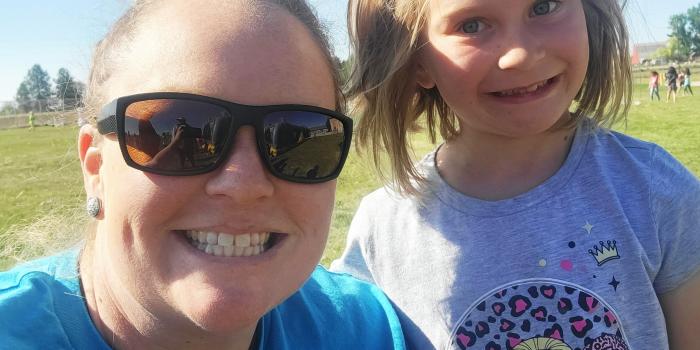 Nicole Ramsey
"I remember coming home from games or practices where I hid the pain from my coaches and teammates because I didn't want them to know about my EB."
Nicole's Story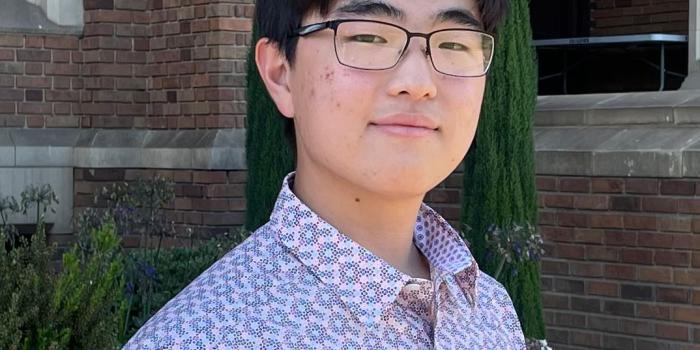 Bowen Kim
"My EB is mostly localized on my feet so I was unable to show my teachers what EB looked like & how severe it could be. They were not able to relate to the pain..."
Bowen's Story Savanah Zech
"Growing up with EB, you quickly learn that wearing clothes and shoes that are loose and comfortable are vital for the prevention and care of blisters."
Savanah's StoryNo one should face Epidermolysis Bullosa Simplex alone. debra of America offers free programs, personalized support, and trusted online resources to help individuals and families navigate life with EB.
Whether it’s finding answers to everyday challenges, accessing free wound care supplies, or connecting with others who understand—debra is here, every step of the way.
Visit our Get Help section to explore our free supportive programs, and check out our How To section for trusted, practical care guides.
Credit: C. Has et al, “Consensus reclassification of inherited epidermolysis bullosa and other disorders with skin fragility”, British Journal of Dermatology, October 2020