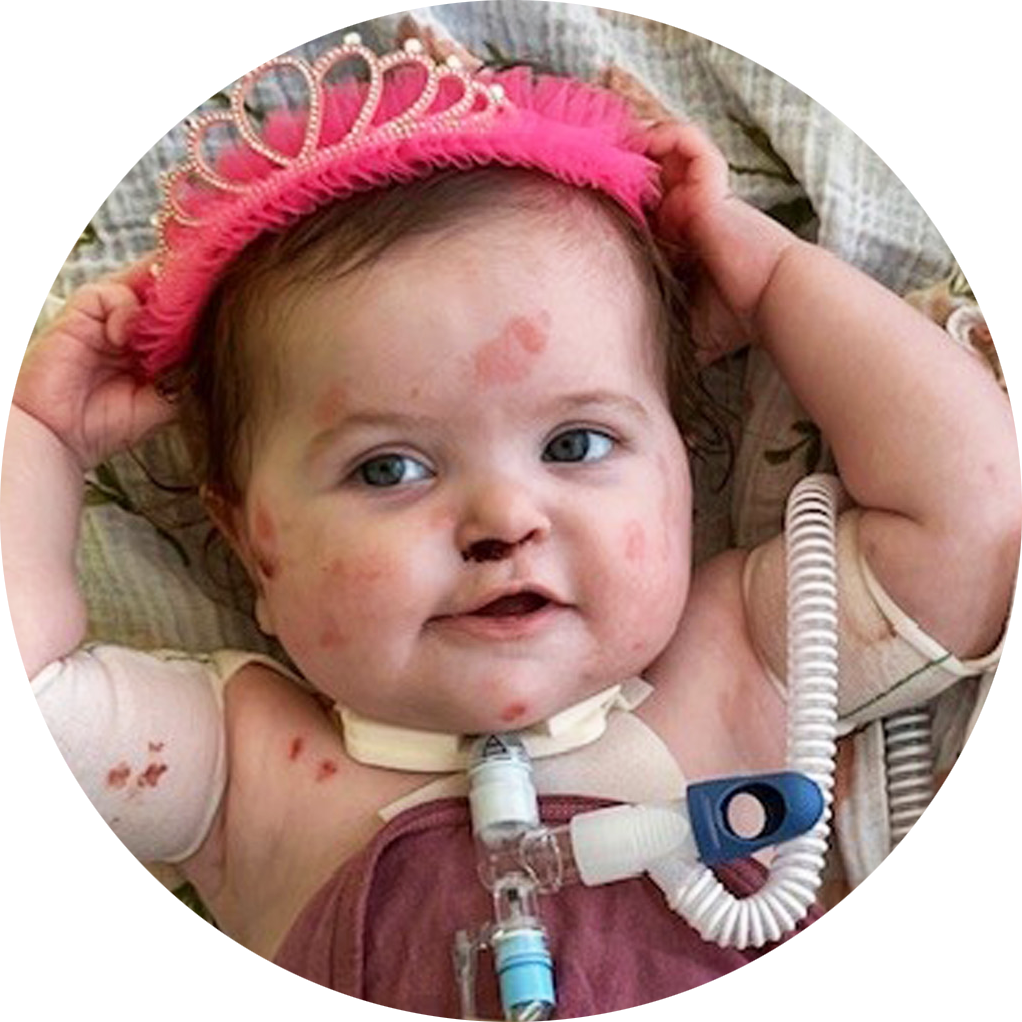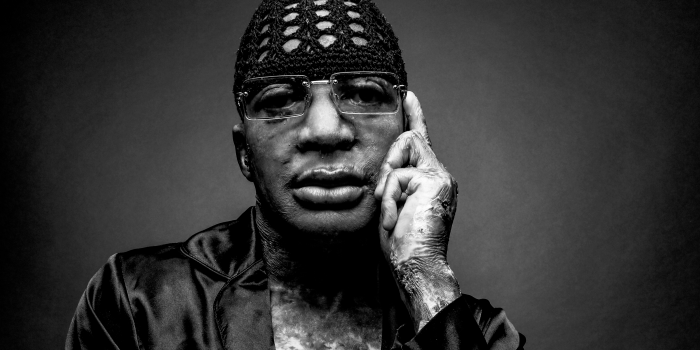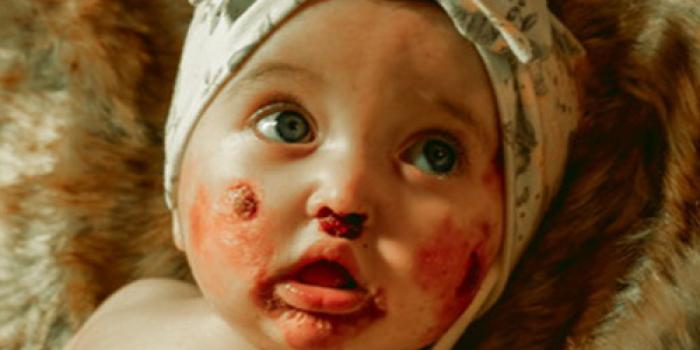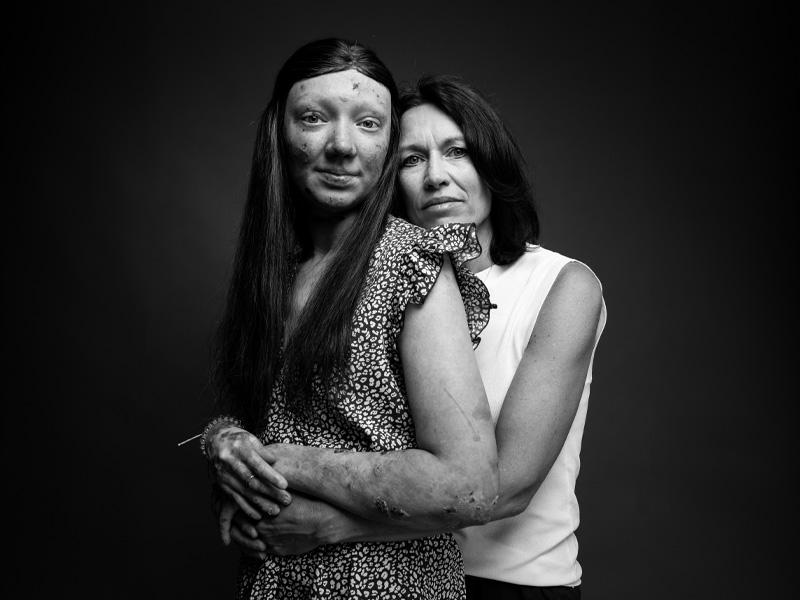
Junctional Epidermolysis Bullosa (JEB) is a rare and often severe form of EB caused by mutations in genes that affect the anchoring of the outer layer of skin (epidermis) to the underlying layer (dermis).
Blistering in JEB occurs within the lamina lucida, a portion of the basement membrane zone. Symptoms are typically present at birth and can range from mild to life-threatening. The severity varies considerably across the two major subtypes, intermediate and severe.
While some individuals with JEB may experience skin fragility and blistering mainly in response to trauma, others may have extensive wounds, mucosal involvement, and systemic complications that can significantly impact overall health and, in severe cases, may shorten life expectancy. Navigate to a specific section by clicking the links below:
Junctional Epidermolysis Bullosa (JEB) is characterized by recurring blistering of the skin, which can occur even with minimal friction or trauma. The severity of symptoms varies widely among subtypes, ranging from moderate skin fragility to more severe forms involving serious internal complications. Hallmark signs and symptoms of JEB include:
- Skin Fragility and Widespread Blistering: Blisters may form spontaneously or from minimal contact, particularly in areas exposed to pressure or friction.
- Chronic Wounds and Delayed Healing: Open wounds can be slow to heal and prone to infection, significantly affecting quality of life.
- Mucosal Involvement: Blistering may affect mucous membranes inside the mouth, nose, throat, eyes, and sometimes the gastrointestinal or genitourinary tract. Eye involvement can lead to corneal damage, scarring, and vision issues.
- Nail and Dental Abnormalities: Nails may be absent, thickened, or abnormally shaped. Enamel defects may increase the risk of dental issues.
- Hair Loss (Alopecia): Scalp blistering and chronic injury may cause scarring and permanent hair loss in some cases.
- Feeding and Nutritional Challenges: Oral and esophageal blistering may make eating painful, difficult, or sometimes impossible, requiring specialized diets or feeding tubes.
- Growth Delay and Failure to Thrive: Poor weight gain and slowed growth are common due to chronic wounds, nutritional difficulties, and increased energy demands.
- Breathing or Voice Changes: In some subtypes, involvement of the airway can cause respiratory issues; or voice box (larynx) can cause a hoarse cry or respiratory issues in infancy.
- Life-Threatening Complications: In the most severe form of JEB, extensive internal and external blistering can lead to life-threatening infections and complications early in life.
Junctional EB includes two main subtypes, with several less common subtypes, categorized by the specific genetic mutations involved and the clinical features observed. These include:
Junctional EB is a genetic condition, caused by mutations in genes responsible for producing proteins that anchor the layers of skin together—most commonly LAMA3, LAMB3, LAMC2, and COL17A1. These proteins help form the structures that keep the epidermis attached to the dermis. When these proteins are missing or dysfunctional, the skin becomes fragile and prone to separation and blistering.
Most forms of JEB are inherited in an autosomal recessive pattern. This means a child must inherit two mutated copies of the gene (one from each parent) to be affected – each parent being a carrier of the recessive gene. Parents who are carriers thereby have a 25% chance with each pregnancy of having a child with JEB.
JEB is not contagious and cannot be caused or prevented through behavior or environmental changes—it results from genetic mutations occur at conception.
Junctional EB can greatly impact daily living. For some, this may mean ongoing wound care and managing skin fragility. For others—especially those with severe subtypes—chronic pain, nutritional support, frequent infections, and hospitalizations may be part of daily life. Families often manage complex care routines, including bandaging, specialized feeding, and respiratory support.
Despite these challenges, many individuals with JEB and their caregivers build strong support systems and find ways to adapt to their daily routines. Advances in care, early interventions, and improved understanding of JEB have led to a better quality of life.
For families impacted by the prognosis of JEB Severe, the journey may involve not only managing medical complexities but also coping with the emotional toll of a shortened life expectancy. Support networks, palliative care, and counseling can be crucial to navigating these challenges, offering both physical and emotional comfort during an incredibly difficult time.
The impact of JEB can vary widely depending on severity and presentation, with each person’s experience with EB being unique. Continue to explore our website for more detailed information on care and resources, and visit EBConnect.org, our online community platform, for valuable guidance and peer support.
Medical management of Junctional EB is largely supportive, focusing on wound care, pain management, and treating secondary complications. Learn more about EB care strategies and practical information on our How To Care section.
Healthcare professionals can also refer to our Emergency Management page for clinical guidance in urgent situations.
Emerging Treatments and Clinical Trials
In an incredible achievement, the U.S. FDA approved the first treatment for Junctional EB in 2023.
FILSUVEZ®, developed by Chiesi Global Rare Diseases, is a prescription topical gel that supports wound healing in adults and children 6 months of age and older. Learn more
Ongoing research is actively exploring promising therapies, and clinical trials play a critical role in advancing the understanding of Junctional EB and developing new treatments. Clinical trials currently recruiting participants include:
Personal Stories of Strength and Resilience
Behind every diagnosis of EBS is a person with a story to tell. These personal accounts reflect the strength, challenges, and hope that define life with EB Simplex.
Support Resources
No one should face Dystrophic EB alone. debra of America offers free programs, personalized support, and trusted online resources to help individuals and families navigate life with EB.
Whether it’s finding answers to everyday challenges, accessing free wound care supplies, or connecting with others who understand—debra is here, every step of the way.
Visit our Get Help section to explore our free supportive programs, and check out our How To section for trusted, practical care guides.
Credit: C. Has et al, “Consensus reclassification of inherited epidermolysis bullosa and other disorders with skin fragility”, British Journal of Dermatology, October 2020