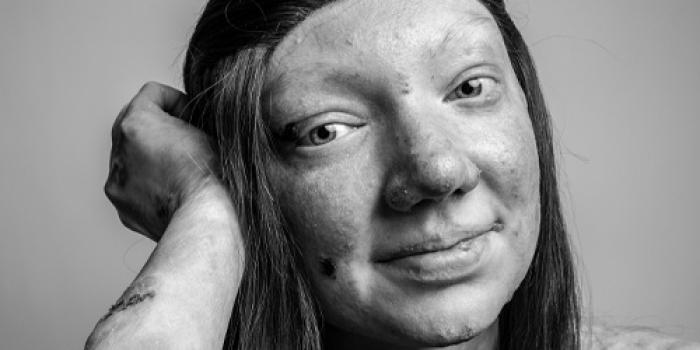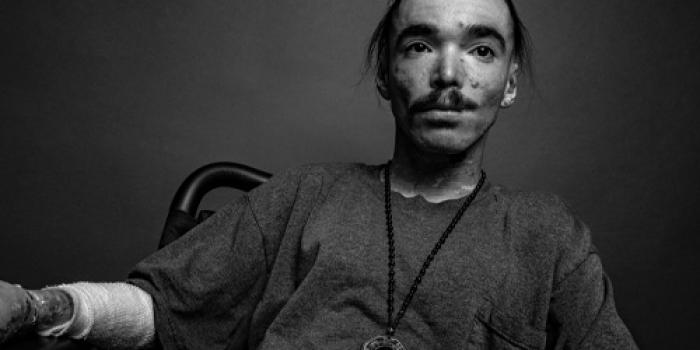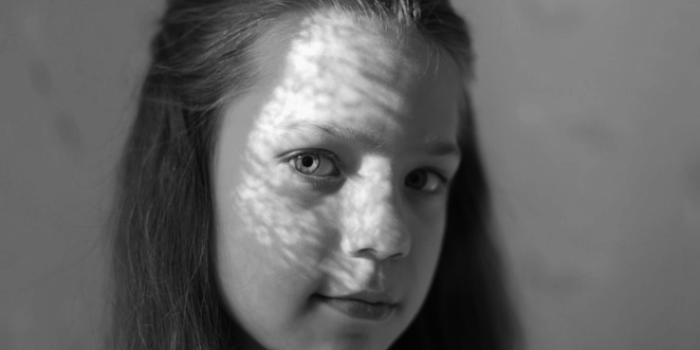
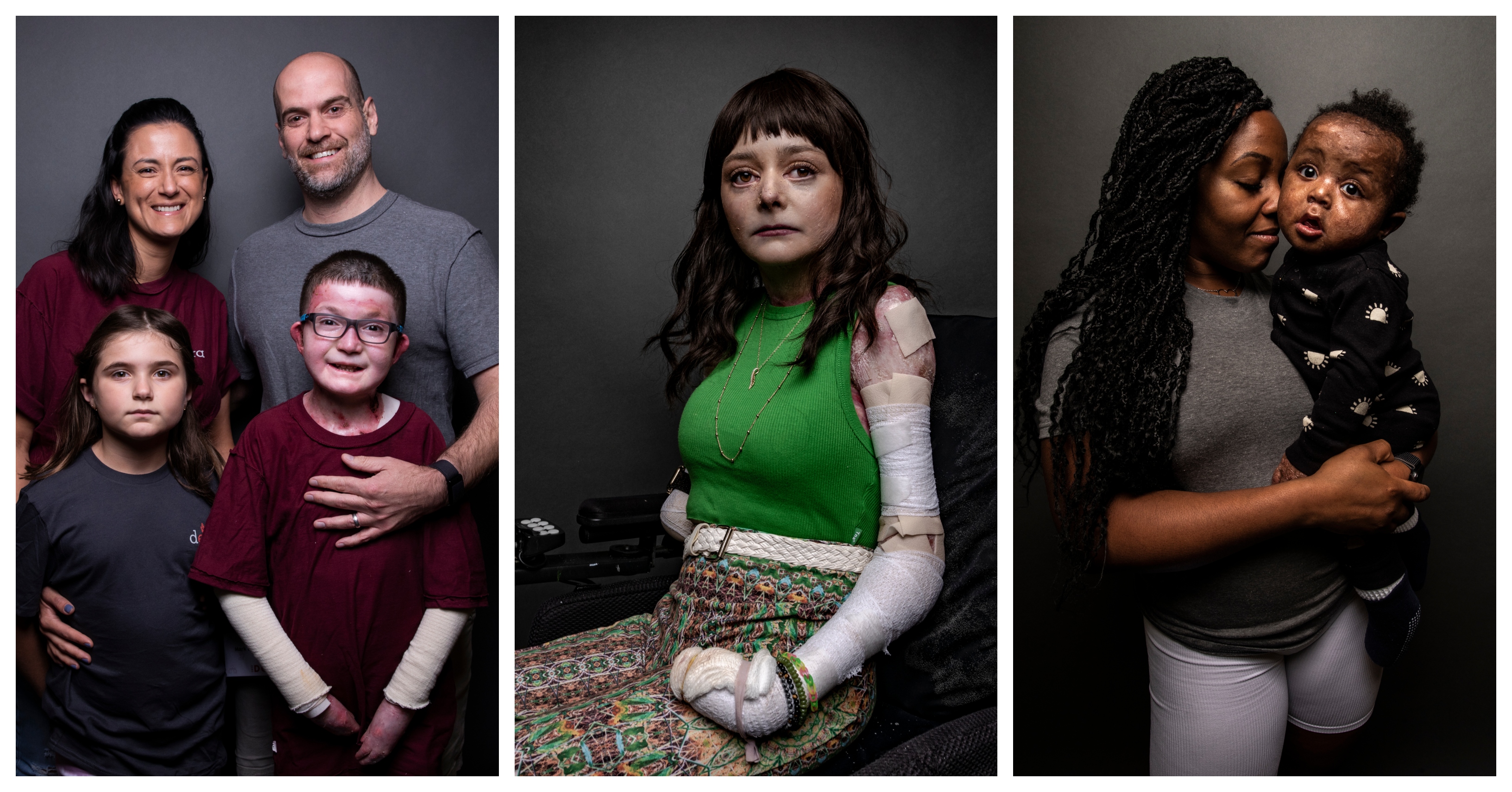
Living with EB requires meticulous and often time-consuming care. Most people with EB (or their caregivers) follow a strict daily routine of wound inspection, draining new blisters, cleansing skin, applying ointments, and wrapping affected areas with specialized bandages to prevent infection and further injury. There are four major types of EB: EB Simplex (EBS), Junctional EB (JEB), Dystrophic EB (DEB), and Kindler Syndrome. Refer to each EB type in the section below for detailed signs, symptoms, and associated genetic mutations.
For those with severe forms of EB, this process can take hours each day. Tasks many take for granted—like bathing, getting dressed, or eating—can cause blistering. Wounds often heal slowly or not at all, and managing pain is a constant challenge. The condition can also lead to secondary complications, such as infections, chronic anemia, scarring and contractures, which further complicate daily life.
Moreover, EB’s impact extends beyond the skin. It can affect other systems, including the eyes, mouth, and gastrointestinal tract, and may lead to long-term issues like difficulty swallowing, limited mobility and vision problems. Despite these difficulties, individuals and families living with EB show immense strength and resilience as they navigate a condition that touches nearly every aspect of daily life.