
Proper care adaptations are vital to preventing injury, reducing pain, and promoting quality of life for individuals with EB. Apply these fundamentals in any setting to promote safe, effective, and compassionate EB care.
Clinical Management of EB
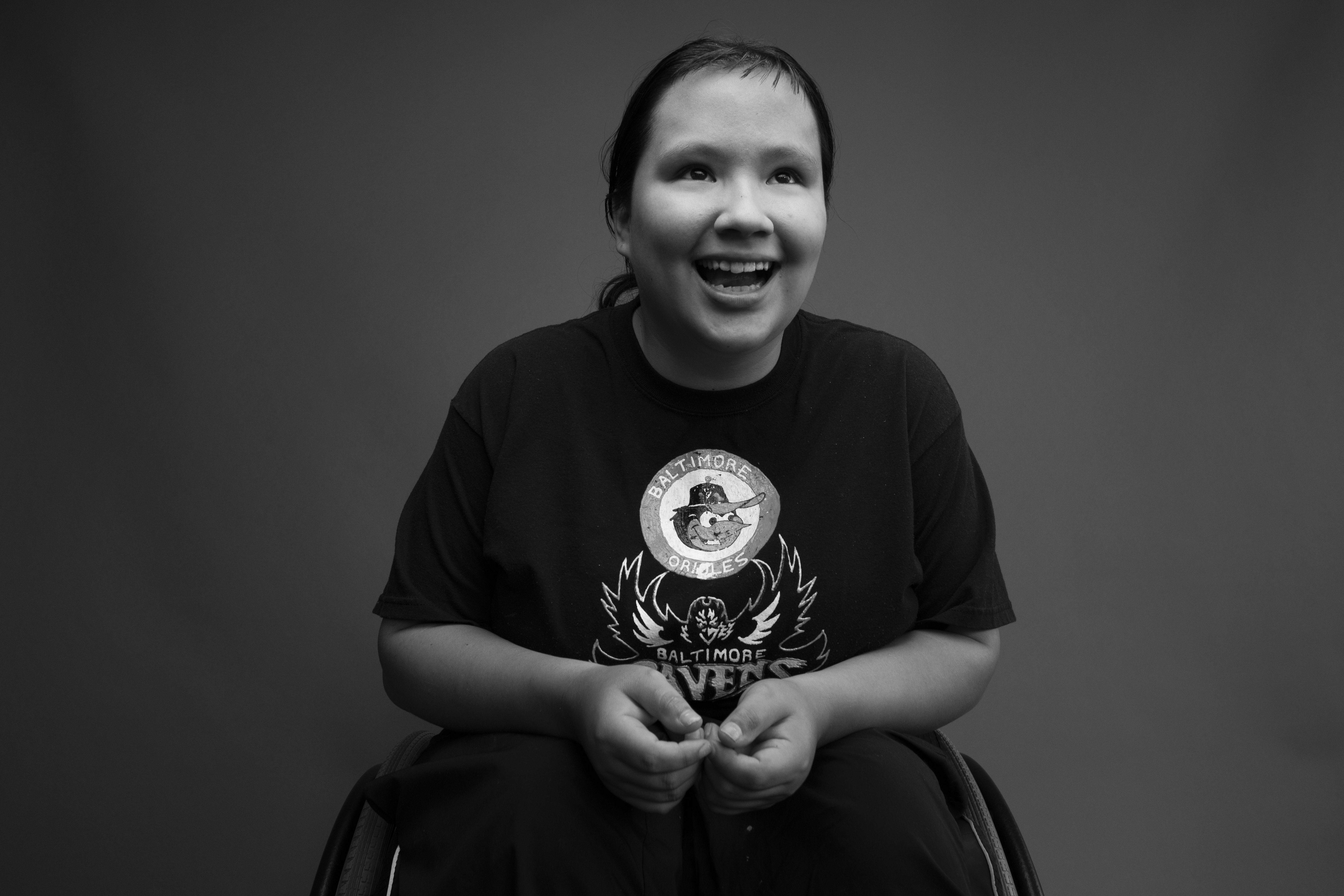
Individuals with Epidermolysis Bullosa (EB) require specialized handling and care to prevent new blister formation, reduce pain and infection risk, and address the broader medical challenges associated with the condition.
For background on EB types, subtypes, and key clinical features, see Understanding EB Types.
Handle With Care
Even routine activities and minimal trauma can trigger new blisters, making prevention a critical part of clinical care. The following are some of the most frequent causes of blisters professionals should be aware of:
⚠️ NO FRICTION: e.g.,rubbing, sliding, firm handling of skin, abrasive clothing or hospital bracelets
⚠️ NO ADHESIVES: e.g., medical tape, Band-Aids®, or unmodified monitor leads
⚠️ NO PRESSURE: e.g., tight clothing/shoes, or BP cuffs or tourniquets against bare skin
⚠️ NO HEAT: e.g., prolonged warm or humid environments
🚫 DO NOT USE ADHESIVE TAPE OR REGULAR BANDAIDS. Adhesives directly on skin cause trauma.
EB in Clinical Settings
- Prevent shear and friction injuries from the first touch.
- Always lift patients, or allow them to self transfer, rather than slide or pull on them.
- Consider using photographs from most recent bandage change to view all wounds, and only remove bandages to visualize the wounds you are concerned about for routine assessments.
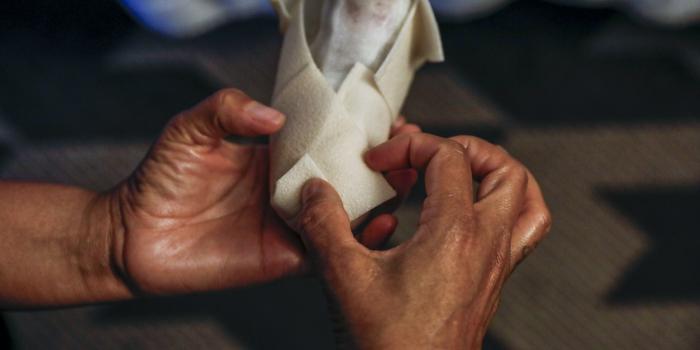
- Use non-adhesive padding or tubular gauze to protect high-friction areas.
- Select and secure dressings without adhesives.
- Never apply adhesives directly to the skin.
- Use non-adherent dressings (i.e., EB-Friendly Dressings List).
- Remove adhesives from monitors or apply over silicone/hydrogel barriers.
- Add padding over high-risk pressure points.
EB blisters are not self-limited; once they form, they often continue to enlarge unless they are drained and protected. Follow these step-by-step recommendations for safe lancing here.
Guidelines for Safe Blister Drainage
- Wash hands and assemble supplies, wear gloves.
- Use a sterile needle, lancet, or 11 blade to lance tense blisters dime size or larger (*do NOT lance blisters in the mouth or near the eyes*).
- Gently push the fluid to one corner of the blister.
- Prick 1–2 holes on the raised side (not top) of the blister.
- Using gauze or a Q-tip, gently drain the fluid from the opening, keeping the blister roof intact.
- Reuse the lancet only if there are no signs of infection (white or cloudy drainage).
- Select a non-adherent dressing larger than the wound → lightly coat the patient facing side of the dressing with ointment or emollient to prevent sticking → apply to area → use rolled gauze and netting to secure bandage.
🚫 DO NOT USE ADHESIVE TAPE OR REGULAR BANDAIDS. In an incident where adhesives have been applied, leave in place until patient is stable. Use adhesive removal spray or emollient to gently loosen and carefully remove adhesives to minimize trauma. Alternatives include Vaseline®, mineral oil, coconut oil, normal saline, baby oil, or tap water.
- Use gentle technique to avoid trauma, do not grab or skin their skin.
- Cleanse intact area of skin by dabbing, not rubbing.
- Place tourniquets over gauze or bandage padding.
- Only allow the most experienced phlebotomists to attempt blood draw, ultrasound guidance can be helpful to find a vein.
- Give vaccines as usual; apply light pressure, not massage.
- Cover with silicone non adhesive dressing, do not use Band-Aids.
Refer to Emergency Management for EB for detailed recommendations.
- Recognize and treat infection promptly.
- EB wounds are prone to bacterial infection.
- Watch for increased redness, pain, pus, odor, honey-colored crusts, fever, or chills.
- Culture when suspicious; systemic cases with fever require labs and blood cultures.
- Control discomfort with over the counter analgesics when possible and opiods when necessary to manage pain.
- Antihistamines can reduce itching.
- Discuss strategies to prevent constipation if opioids are used.
- Address swallowing issues and maintain high-calorie intake.
- Dysphagia, strictures, and constipation are common.
- Dietitian involvement is essential.
- Encourage soft, high-protein foods and supplements.
- Assess the full esophagus; balloon dilatation may be needed.
- Monitor for chronic anemia and nutrient loss.
- Iron supplementation is often required.
- Check selenium and carnitine levels when indicated.
- Reduce friction through soft, seamless garments.
- Avoid seams, tags, and tight waistbands.
- Choose loose, padded shoes with rubber soles.
- Pad diapers and waistbands.
- Keep skin cool and dry to prevent new blistering.
- Avoid heat and humidity.
- Use body-temperature or cooler water.
- Maintain air-conditioned environments when possible.
- Pad diapers and waistbands.
Specialized Procedures & Hospital-Based Care
When patients with EB require diagnostic tests, surgery, or hospitalization, standard medical practices often need careful modification. From anesthesia and surgical positioning to EEGs, sleep studies, and IV access, clinicians must take extra precautions to protect fragile skin and mucosa. This section highlights the most important adaptations for safe hospital- and procedure-based care.
EEG Placement Guide for EB >
Instructions for safe EEG electrode application on fragile skin, including modified materials, placement steps, and precautions to prevent skin breakdown.
Sleep Study Protocol for Patients with EB >
Steps for safely conducting polysomnography on patients with EB or other fragile‑skin conditions, emphasizing minimal adhesives, gentle cleansing, and alternative lead placement and securing methods. and procedure-based care.
Emergency Care Management >
Refer to our emergency care guide for EB offering protocols for extreme skin fragility, airway and IV management, and surgical preparation. Emphasizes using silicone dressings, avoiding adhesives, gentle handling, and tailoring care to each patient
Comprehensive Care Guides
Affecting multiple body systems, mobility, and overall quality of life, Epidermolysis Bullosa (EB) requires close collaboration across specialties and a comprehensive, multidisciplinary approach to care. Explore the topics below for clinical guidance and practical information that support consistent, coordinated care across all systems affected by EB.
Anemia
Cancer

Constipation
Daily Living
Eye Care
Foot Care
Hand Surgery & Therapy

Nutrition & Feeding Support
Occupational & Physical Therapy
Oral Health
Pain & Itch
Palliative Care

Pregnancy & Childbirth

Psychosocial Care

Sexuality
The information provided herein is intended to educate the reader about certain medical conditions and certain possible treatments. It is not a substitute for examination, diagnosis, and medical care provided by a licensed and qualified health professional. If you believe you, your child, or someone you know, suffer from conditions described herein, please see your healthcare provider. Do not attempt to treat yourself, your child, or anyone else without proper medical supervision.