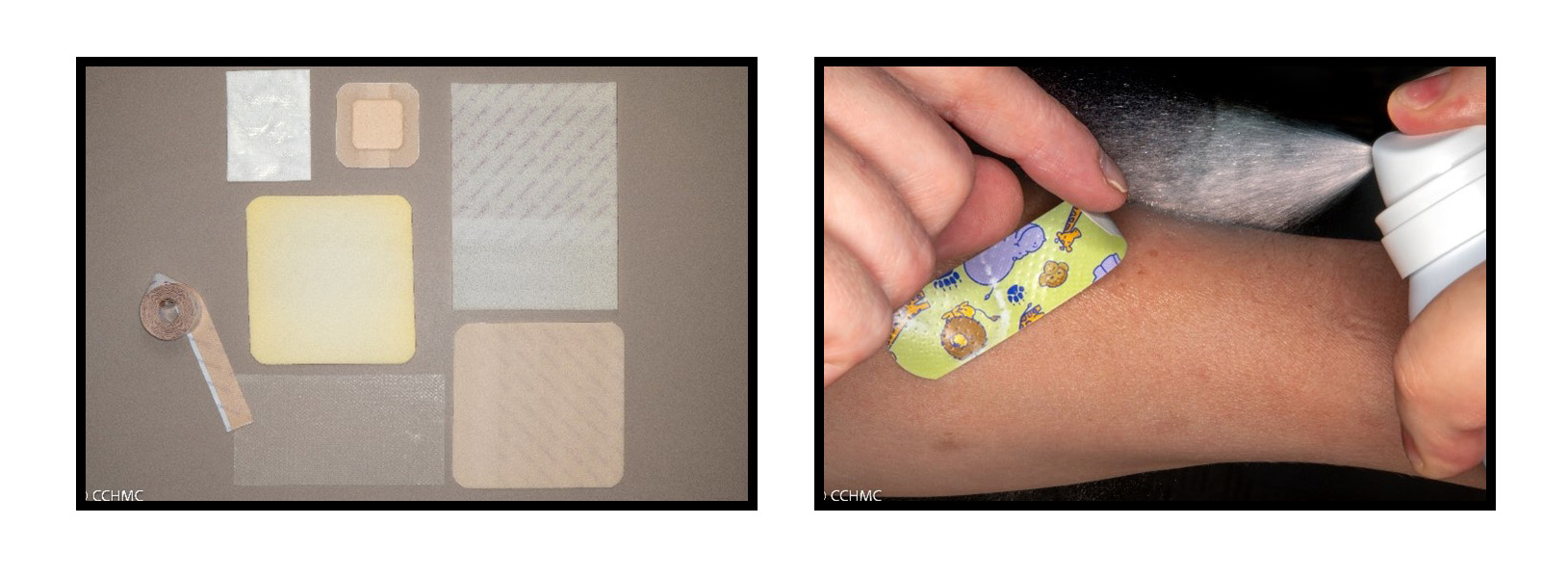
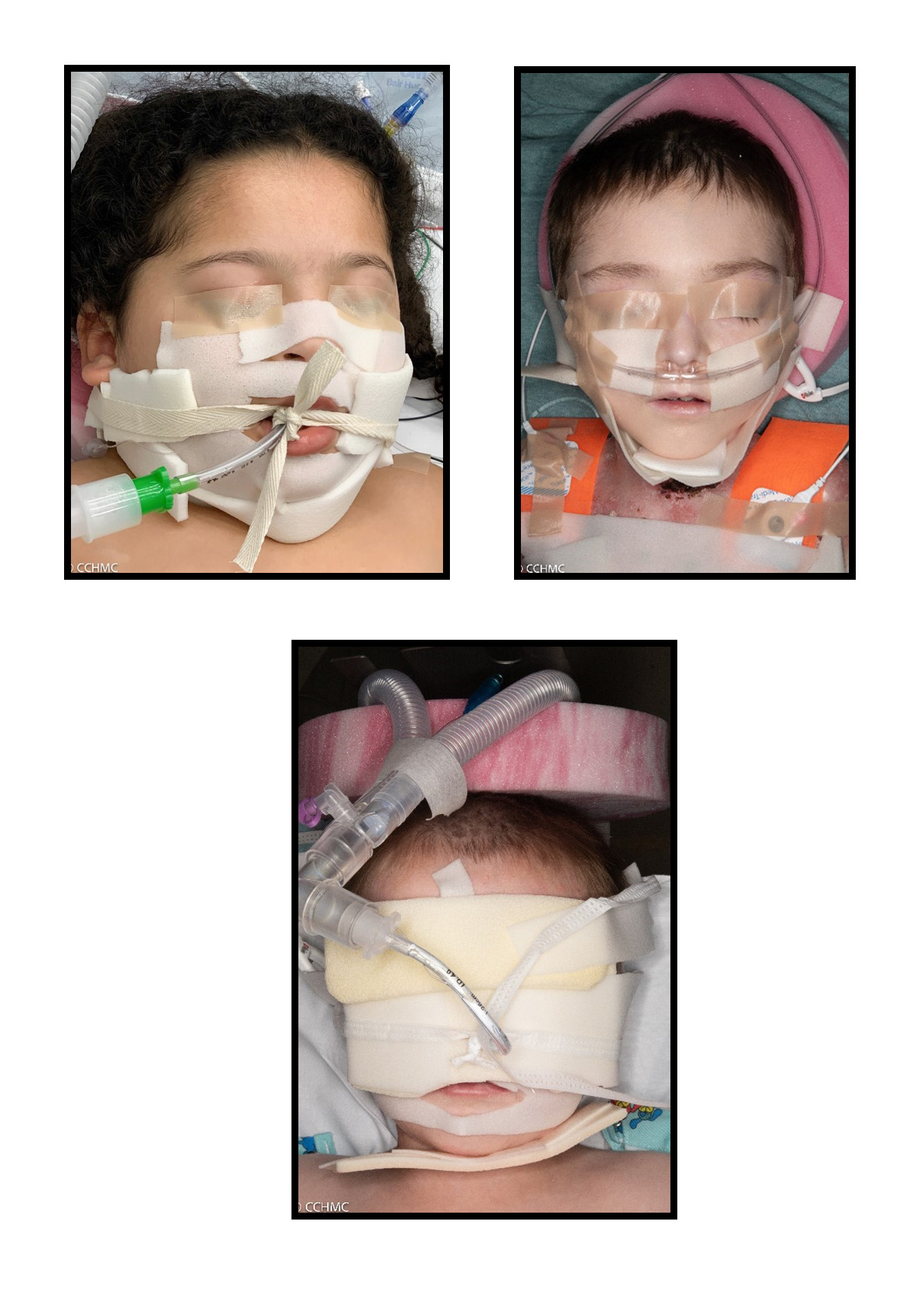
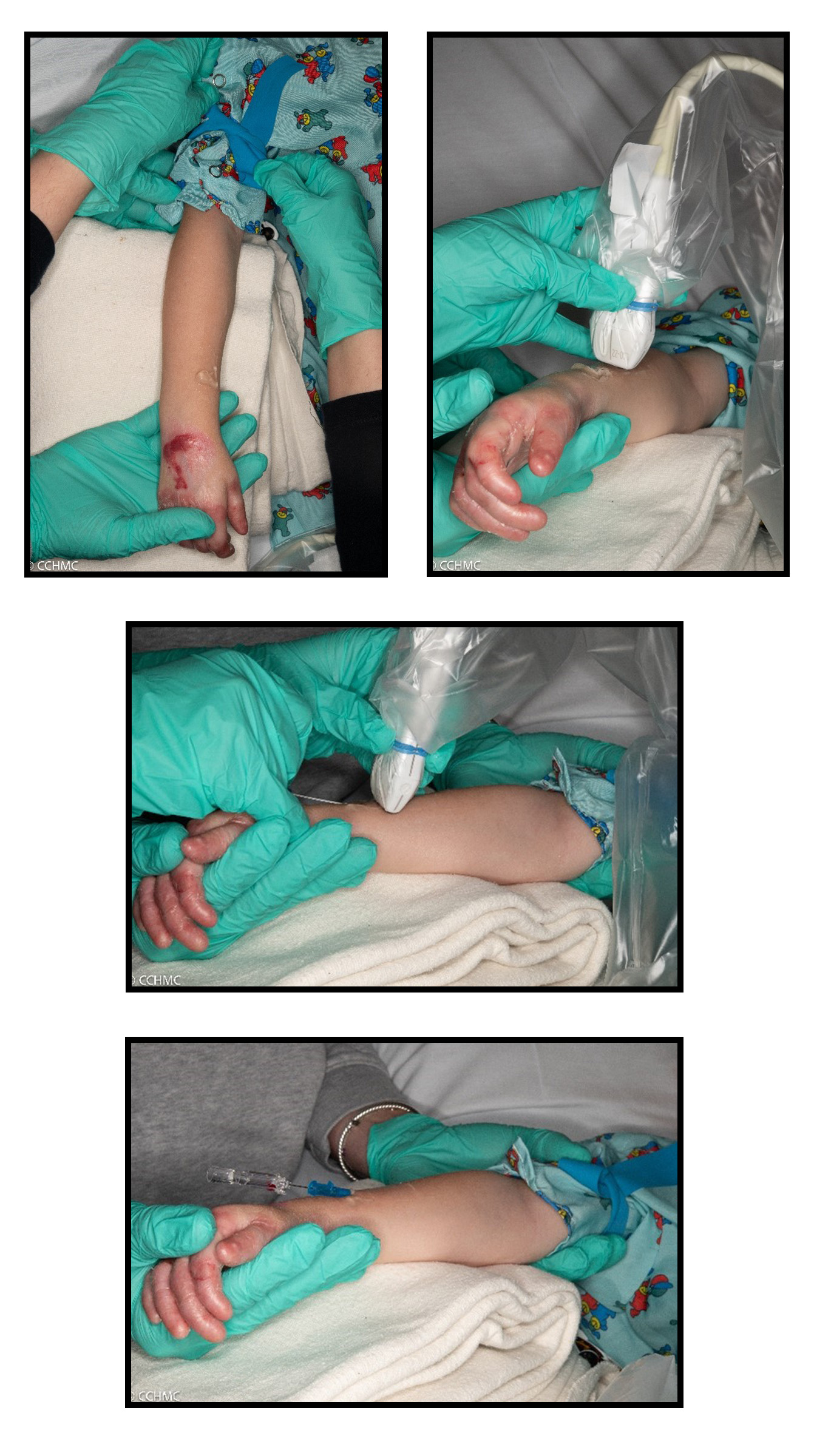
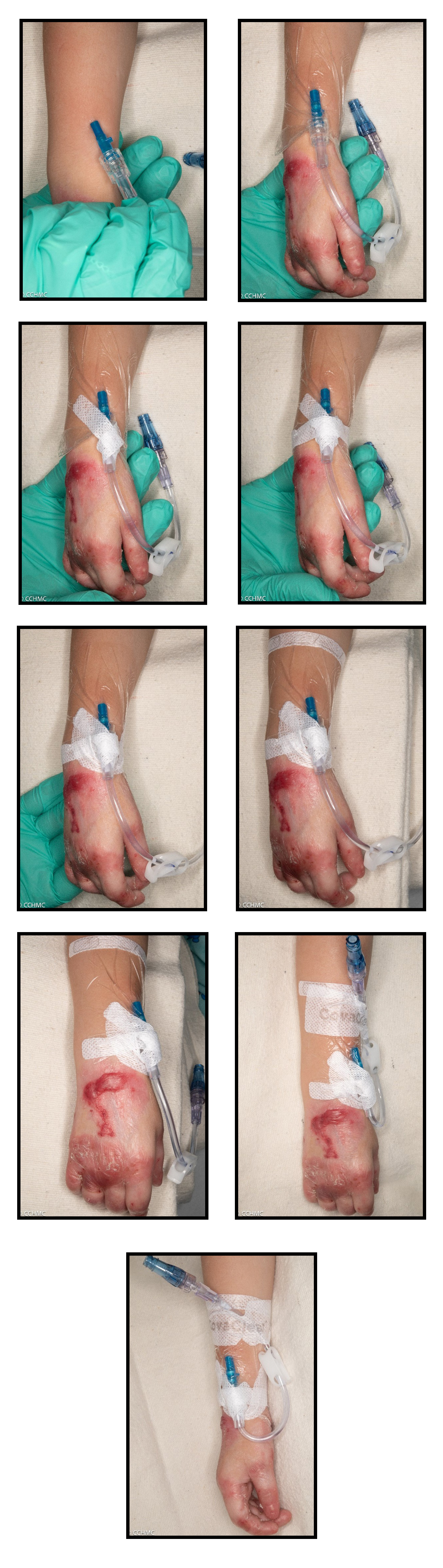
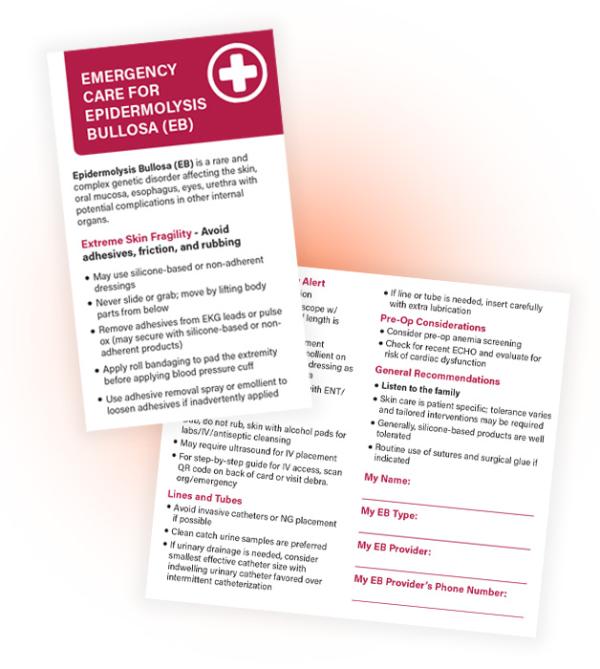
Epidermolysis Bullosa (EB) is a rare and complex genetic disorder affecting the skin and oral mucosa, with potential involvement of the esophagus, eyes, urethra, and potential complications in other internal organs. EB encompasses several distinct types, each characterized by a spectrum of symptoms that may overlap while also presenting unique clinical features. Among these types are:
- Dominant Dystrophic Epidermolysis Bullosa (DDEB)
- Recessive Dystrophic Epidermolysis Bullosa (RDEB)
- Epidermolysis Bullosa Simplex (EBS)
- Junctional Epidermolysis Bullosa (JEB)
- Kindler Syndrome
Learn More about the EB Types
These classifications may help medical professionals treat their patients with EB, emphasizing the need for tailored management strategies. There are in fact over 30 subtypes of the disease. While every patient is unique, understanding the specific EB type, if possible, can inform personalized care. Refer to the patient's EB Wallet Card or inquire with the family for the patient's EB type.
Request Your Free EB Emergency Wallet Card Below
Contributors:
Catherine Doernbrack, CPNP, debra of America EB Nurse Educator & Children’s Hospital of Colorado
Beth Moeves, APRN-CNP, EB Nurse Practitioner at CCHMC
Caitin Treuting, Medical Photographer at CCHMC
Kalyani Marathe, MD, Dermatology Medical Director at CCHMC
Anne Lucky, MD, EB Medical Director at CCHMC
Lisa Remer, MD, EB Medical Director at CCHMC
Nichole Halliburton, APRN-CNP, EB Nurse Practitioner at CCHMC
Eric Wittkugel, MD, Anesthesiologist at CCHMC
Abigail Monnig, MD, Anesthesiologist at CCHMC
Ken Goldschneider, MD, Anesthesiologist at CCHMC
Katie Stephenson, RN at CCHMC
Jaime Webb, Vascular Access RN at CCHMC
Staff with CCHMC Perioperative Services
debra of America would like to extend our heartfelt thanks to these medical professionals for their invaluable contributions and expertise in reviewing this content.